
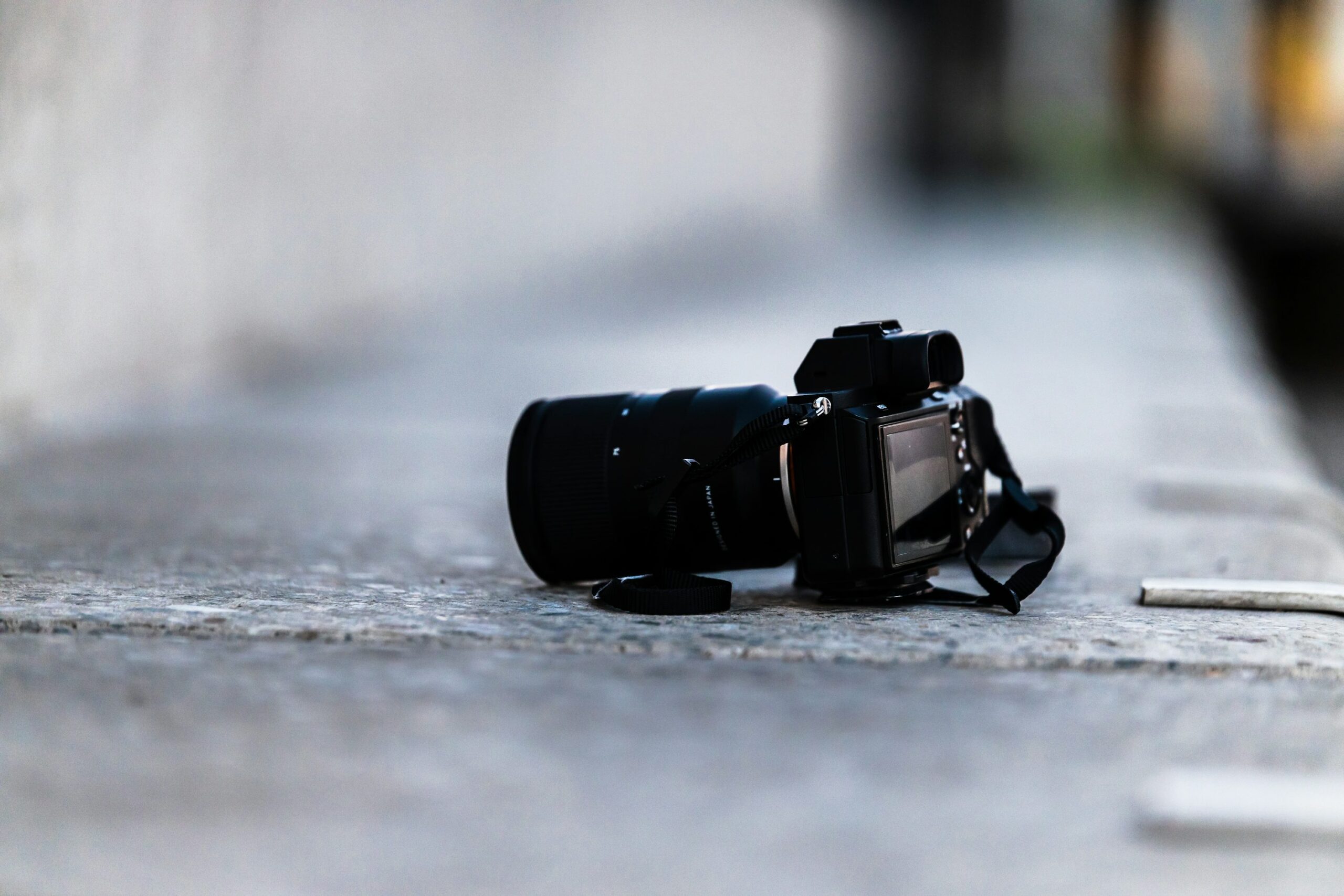
Canon vs Nikon cameras has been a friendly tug-of-war for decades, and in Utah that choice shows up in real life—on a snowy sideline at Rice-Eccles, in golden-hour wind at Antelope Island, or dust swirling around a bridal shoot in Moab. You want something that nails focus, renders skin beautifully, and doesn’t quit when the weather turns. Here’s the thing: both brands deliver. The real question is which camera system fits how you shoot, where you shoot, and what you’ll shoot next. You know what? Let’s make this genuinely helpful—clear, current, and specific about DSLR vs mirrorless, prices, strengths, and what matters for working photographers.
Quick answer first: That camera I use and is it mirrorless or DSLR?
I use the Nikon Z6 III camera. It is a mirrorless camera that uses the Nikon Z mount. It’s not a DSLR, and it takes SD/CFexpress Type B media—not the older Nikon F-mount glass directly (you can adapt F-mount lenses with Nikon’s FTZ II). It’s a modern hybrid body for photo and video with fast AF and high frame rates 13.
Mirrorless vs DSLR in plain language (and why Utah conditions matter)
Mirrorless cameras (Canon RF mount, Nikon Z mount) use an electronic viewfinder and put phase-detect autofocus directly on the sensor. That means face/eye/body detection everywhere in the frame, silent shooting when needed, and excellent video tools. DSLR cameras (Canon EF mount, Nikon F mount) use an optical viewfinder and a separate phase-detect module. They’re still fantastic for battery life, optical clarity in bright snow, and a predictable feel.
Utah adds practical constraints: bone-dry cold on the slopes, surprise spring wind in the west desert, high-sun contrast in St. George, and dust that creeps into everything. Mirrorless wins for subject detection and live exposure preview when snow blinds the meter; DSLRs win for battery endurance on long winter days and tactile confidence with gloves.
Market reality check (DSLRs aren’t gone—but mirrorless leads)
CIPA shipment data across 2023–2024 show mirrorless gaining share while DSLRs taper off; the broad trend through 2024–2025 keeps mirrorless in front on volume and value 19. You’ll still find new DSLR stock, refurb bargains, and deep used inventory—great news if you love the optical experience, need long battery life, or you’re building a budget-friendly backup body.
What Canon vs Nikon means for working photographers
Canon leans into autofocus confidence, color that flatters skin, and a deep RF lens lineup. It offers two active pro DSLRs (refurb) for those who want an optical viewfinder and rugged feel: the EOS-1D X Mark III 10 and 5D Mark IV 9, while its mirrorless line runs from the flagship EOS R1 1 down to lighter bodies like the R8 8.
Nikon fires back with superb dynamic range and tracking in its Z series, especially the Z9 11, Z8 12, and Z6 III 13. Among DSLRs, the D850 remains a legend for resolution and battery life 15, and the flagship D6 stays listed by Nikon USA (even as it’s marked discontinued in Japan) 18 20.
If you shoot Utah weddings, families, seniors, or sports, both systems can carry you. The deciding factors? Lens ecosystem, autofocus behavior in your scenarios, skin tones, and budget. Prices are included throughout, current as of November 4, 2025, and subject to change.
Canon system snapshot (what’s hot in 2025)
Flagships and pro bodies
EOS R1 (mirrorless): Canon’s top sports/photojournalism body, body-only around $6,799 at Canon USA right now 1. If you live on the sideline in Logan or Provo, this is built for you.
EOS R3 (mirrorless): Integrated grip, low-light beast, “as low as” $4,399 at Canon USA during promo windows 2.
EOS R5 Mark II (mirrorless): 45MP all-arounder, special price about $3,899 at Canon USA as of this writing 3.
EOS R5 (mirrorless): Still a workhorse studio/event camera, $2,799 (body) in current Canon USA promotions 4.
EOS R5 C (mirrorless): Hybrid stills/Cinema EOS switcher, commonly listed around $3,999 on Canon’s site (varies by kit/stock) 5.
Sweet-spot event bodies
EOS R6 Mark II (mirrorless): Beloved by wedding shooters for AF and high-ISO grace, “as low as” $1,999 during promos 6.
EOS R7 (APS-C mirrorless): Wildlife reach and budget speed; body pricing around $1,099–$1,399 depending on kit 7.
EOS R8 (full-frame mirrorless): Lightweight backup/second body for travel and elopements, often $1,299–$1,499 (body) 8.
Canon DSLRs still in play
EOS-1D X Mark III (DSLR): Built like a plow truck. On Canon’s refurb store “as low as” $5,849 when in stock 10.
EOS 5D Mark IV (DSLR): Classic portrait/wedding workhorse; refurb pricing seen at $1,799 at Canon USA during sales 9.
Nikon system snapshot (what’s hot in 2025)
Flagships and pro bodies
Nikon Z9 (mirrorless): Flagship action/sports with stacked sensor and blackout-free EVF; B&H price typically $5,396.95 (body) 11 and Nikon USA shows similar retail listings 22.
Nikon Z8 (mirrorless): Lighter “baby Z9,” around $3,796.95 (body) with frequent instant savings 12.
Nikon Z6 III (mirrorless): 24MP, fast AF, robust video; currently around $2,196.95 (body) with instant savings at B&H 13.
Nikon Z7 II (mirrorless): 45.7MP high-res landscape/studio pick; commonly $1,996.95 in current promos 14.
Nikon Zf (mirrorless): Retro body, modern EXPEED 7 and IBIS; B&H lists around $1,999.95–$2,199.95 depending on kit 16.
Nikon DSLRs still in the game
Nikon D850 (DSLR): The “do-everything” high-res DSLR; B&H frequently shows $1,996.95 with instant savings 15.
Nikon D6 (DSLR): Flagship DSLR; Nikon USA product list page notes MSRP $6,499.95 18, while multiple outlets report discontinuation in Japan earlier this year 20.
Which bodies are mirrorless vs DSLR (and typical body pricing)
| Model | Type / Mount | Typical body price (USD) |
|---|---|---|
| Canon EOS R1 | Mirrorless / RF | $6,799 1 |
| Canon EOS R3 | Mirrorless / RF | $4,399 (promo) 2 |
| Canon EOS R5 Mark II | Mirrorless / RF | $3,899 (promo) 3 |
| Canon EOS R5 | Mirrorless / RF | $2,799 (promo) 4 |
| Canon EOS R6 Mark II | Mirrorless / RF | $1,999 (promo) 6 |
| Canon EOS R5 C | Mirrorless / RF | ~$3,999 (varies) 5 |
| Canon EOS-1D X Mark III | DSLR / EF | $5,849 (refurb) 10 |
| Canon EOS 5D Mark IV | DSLR / EF | $1,799 (refurb) 9 |
| Nikon Z9 | Mirrorless / Z | $5,396.95 11 |
| Nikon Z8 | Mirrorless / Z | $3,796.95 (promo) 12 |
| Nikon Z6 III | Mirrorless / Z | $2,196.95 (promo) 13 |
| Nikon Z7 II | Mirrorless / Z | $1,996.95 (promo) 14 |
| Nikon D850 | DSLR / F | $1,996.95 (promo) 15 |
| Nikon D6 | DSLR / F | $6,499.95 (MSRP) 18 |
Notes: prices are body-only where listed and fluctuate with promos.
Autofocus behavior you’ll actually feel in the field
Canon
Subject detection is a Canon calling card. R-series bodies lock eyes fast and stick, even with moving kids at the Great Saltair or a backlit couple at Red Butte. The R1 and R3 lean into tracking with deep learning models, and the R5 Mark II gives you a sweet spot of resolution, AF, and speed 1 2 3.
Nikon
Nikon Z AF has grown into a tracking monster. The Z9 and Z8 set a high bar for action and birds-in-flight; the Z6 III inherits that feel in a smaller body, with high frame rates and stout buffers for sports and candid moments 11 12 13.
Honestly, both brands are excellent today; the difference is how the AF feels—Canon tends to “snap and stick,” Nikon tends to “flow and follow.” Try both with the lens you plan to use most.
Color and skin tones (Utah neutrals, sandstone reds, winter blues)
Canon skin tones are famously forgiving right out of camera—warm, pleasant, and quick to deliver for clients. Nikon color gives you rich greens and flexible files that grade beautifully. If your workflow hinges on consistency across multiple second shooters, Canon’s OOC color may shave minutes on every gallery. If you love to grade and you hit landscapes often, Nikon’s RAW latitude shines on the benches above Draper or the slot canyons near Kanab.
Dynamic range and ISO
Nikon has long pushed dynamic range in the shadows. The Z7 II and D850 are still gorgeous for pulling detail from dark lava rock with bright snow above 14 15. Canon has closed the gap; the R5/R5 Mark II deliver plenty of latitude for Utah’s high-contrast midday light 4 3.
Video features for hybrid shooters
If you’re weaving reels into every job, R5 C is the Canon body that flips into Cinema EOS mode; R5 Mark II and R6 Mark II cover most event video asks with clean AF and strong codecs 5 3 6. Nikon brings internal N-RAW and robust 4K/8K options on Z bodies (Z9/Z8 in particular), and the Z6 III gives pro-level formats without the flagship size 11 12 13.
Lens ecosystems and adapters (what you already own matters)
Canon RF glass is deep, with stellar RF 28–70 f/2, RF 70–200 f/2.8 compact designs, and fast primes. EF-to-RF adapters are solid if you’re carrying legacy EF. Nikon Z lineup now covers everything from budget 28–400 to S-line 70–200 and the 85/1.2. The FTZ II adapter breathes new life into beloved F-mount lenses, which can be a huge money saver for long glass. Small note: if you shoot a lot at Snowbasin in blizzards, modern weather-sealed Z/S-line and RF L glass helps more than spec sheets suggest.
Ruggedness, weather sealing, and batteries
Below-freezing days on the Wasatch Front? DSLRs still have that marathon battery edge—thousands of frames on a single charge. Mirrorless has improved; Z and R bodies last plenty long for weddings and three-hour sports gigs, especially with power management set up. Integrated-grip bodies like EOS R3 and Z9 feel purpose-built for cold, gloves, and long lenses 2 11.
Top picks for professionals right now (with prices)
Canon — 10 bodies you’ll see on real jobs
- EOS R1 — flagship speed & AF (sports/wildlife) — $6,799 1
- EOS R3 — integrated-grip sports/action — $4,399 promo 2
- EOS R5 Mark II — 45MP all-rounder — $3,899 promo 3
- EOS R5 — still a studio/event staple — $2,799 promo 4
- EOS R5 C — hybrid stills + Cinema EOS — ~$3,999 5
- EOS R6 Mark II — weddings/events — $1,999 promo 6
- EOS R7 — APS-C reach for wildlife/action — ~$1,099–$1,399 7
- EOS R8 — lightweight full-frame backup — ~$1,299–$1,499 8
- EOS 5D Mark IV — pro DSLR (refurb) — $1,799 9
- EOS-1D X Mark III — pro DSLR sports workhorse (refurb) — $5,849 10
Nikon — 10 bodies you’ll see on real jobs
- Z9 — flagship mirrorless for action — $5,396.95 11
- Z8 — “baby Z9” hybrid — $3,796.95 promo 12
- Z6 III — low-light/all-rounder — $2,196.95 promo 13
- Z7 II — 45.7MP high-res — $1,996.95 promo 14
- Zf — retro body, modern internals — ~$1,999–$2,199 16
- Z5 II — entry full-frame (newer gen) — $1,699.95 launch price 17
- Z6 II — dependable backup — pricing varies (check current promos)
- Z7 — original 45.7MP Z — often found refurb/used
- D850 — pro DSLR legend — $1,996.95 promo 15
- D6 — flagship DSLR — $6,499.95 Nikon USA list; discontinued in Japan 18 20
Canon vs Nikon: the jobs they do best
- Weddings & families: Canon’s AF, skin tones, and RF lens variety make it friction-free for big days. Nikon’s Z8/Z6 III combo delivers beautiful files and tracking that keeps dancing kids sharp.
- Sports & wildlife: Integrated-grip bodies (R3, Z9) are the Utah high-school sideline standard. If you want smaller, R1/Z8 pair with 70–200 and 100–400/180–600 zooms work wonders.
- Studio & landscape: Nikon’s Z7 II and D850 are detail kings; Canon’s R5/R5 Mark II offer high resolution with excellent AF for people in studio.
- Hybrid video: Canon R5 C when video direction is serious; Nikon Z9/Z8 for 8K options and robust N-RAW pipelines.
Buying strategy: a simple, repeatable plan
- Define must-have lenses (e.g., 35/85 for portraits; 24–70 + 70–200 for weddings; 100–500 or 180–600 for wildlife).
- Pick the body tier that balances AF + resolution + battery for your gigs.
- Test AF behavior with your actual subjects (toddlers, athletes, dogs) at your usual locations.
- Budget for media (CFexpress/SD), extra batteries, and a dual-bay charger.
- Map migration if you’re switching (adapters, overlapping lenses, two-body window).
- Secure backup body before peak season.
- Revisit in 18 months—firmware and promos shift the value equation fast.
Pricing snapshots you can hang your hat on (today)
Here are straightforward price references for core bodies, taken from Canon USA, Nikon USA, and major authorized dealers as of November 4, 2025: Canon EOS R1 $6,799 1, Canon EOS R3 $4,399 promo 2, Canon EOS R5 Mark II $3,899 promo 3, Canon EOS R5 $2,799 promo 4; Nikon Z9 $5,396.95 11, Nikon Z8 $3,796.95 promo 12, Nikon Z6 III $2,196.95 promo 13, Nikon Z7 II $1,996.95 promo 14. DSLR pricing is included above for Canon EOS-1D X Mark III and 5D Mark IV (refurb at Canon USA) and Nikon D850/D6 10 9 15 18.
DSLR vs mirrorless: pros and cons you’ll notice on a real job
| What you’ll notice | Mirrorless (Canon RF / Nikon Z) | DSLR (Canon EF / Nikon F) |
|---|---|---|
| Viewfinder experience | Live exposure preview; subject boxes; silent modes | Optical clarity; zero EVF lag; battery sips, not gulps |
| Autofocus coverage | Almost the full frame with subject recognition | Center-weighted AF array; great with fast glass |
| Battery life | Good and improving | Excellent, especially in cold |
| System growth | Rapid new lenses and firmware | Stable, massive used/refurb market |
Transition paths: EF to RF, F to Z
If you’re carrying a shelf of EF L or Nikon F lenses, you can step into mirrorless with adapters and stagger your spending. For Canon shooters, EF-to-RF adapters preserve AF and metadata nicely; for Nikon, the FTZ II is compact and reliable for most F-mount favorites. The upside? You can test bodies like EOS R5 Mark II or Z6 III while your glass stays familiar.
Utah-specific advice (because location changes the brief)
- Cold and altitude: Keep batteries warm (inner pocket). Mirrorless will drop faster in single-digit temps at Alta; carry two spares.
- Wind and dust: Change lenses with your back to the gusts. Z and RF mounts have generous throats—great for AF speed, but keep caps handy in the west desert.
- Sun + snow: Use live histogram in the EVF (mirrorless) to protect highlights. With DSLRs, meter for the faces and keep an eye on blinkies in playback.
Frequently asked (and actually useful) questions
Which is “better,” Canon or Nikon?
Both are excellent. Choose based on lenses you want, the AF “feel” you prefer, and how the color drops into your workflow. If you love a fast 28–70 f/2 zoom, Canon RF is unique. If you want big dynamic range in a high-res body at a friendly price, Nikon’s Z7 II is hard to beat 14.
Should I still buy a DSLR in 2025?
Yes—if you value optical viewing, long run time, and you’re capitalizing on refurb/used pricing. Just know the mirrorless lens development pace is brisk, and Nikon’s last DSLR flagship (D6) is discontinued in Japan 20 even if Nikon USA still lists it 18.
What about future prices?
Tariffs and currency swings ripple through camera pricing, and Nikon publicly noted U.S. increases in 2025. Watch seasonal promos and instant savings to time purchases 21.
Quick reference: camera type by name
Canon mirrorless: R1, R3, R5 Mark II, R5, R5 C, R6 Mark II, R7, R8 1 2 3 4 5 6 7 8.
Canon DSLRs: EOS-1D X Mark III, 5D Mark IV (primarily refurb) 10 9.
Nikon mirrorless: Z9, Z8, Z6 III, Z7 II, Zf, Z5 II 11 12 13 14 16 17.
Nikon DSLRs: D850, D6 15 18 20.
Utah photographers, let’s plan your kit
If you’re weighing Canon vs Nikon cameras for your next season—weddings, seniors, commercial work, or the new sports contract—let’s talk through your jobs, your lenses, and your budget. I’ll give you a practical, Utah-tested recommendation and a plan you can trust.
Contact Jen Kunz Photography and we’ll make sure your next body—and the glass around it—fits the way you shoot.
~Jen
Sources
1. Canon EOS R1
2. Canon EOS R3
4. Canon EOS R5
7. Canon EOS R7
8. Canon EOS R8
9. Canon Refurb EOS 5D Mark IV
10. Canon Refurb EOS-1D X Mark III
11. Nikon Z9 (B&H)
12. Nikon Z8 (B&H)
15. Nikon D850 (B&H)
16. Nikon Zf (B&H)