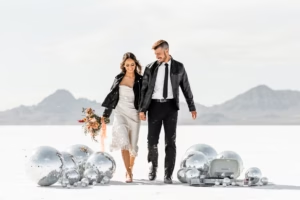

Here’s the straight talk: Should you tip a photographer? Sometimes yes, sometimes no—and that’s not a cop-out. Photography spans everything from a 20-minute mini session at a park in Layton to a 12-hour wedding in Salt Lake, from corporate headshots to newborn lifestyle sessions in your living room. Different jobs, different expectations. Tipping a photographer is typically optional, but in many situations it’s a kind, memorable way to say “you went above and beyond.” You know what? Both can be true at once: you don’t have to tip, and yet it can feel exactly right.
Here’s the short answer (so you can breathe)
If you’re hiring a photographer in Utah for weddings, elopements, mitzvahs, quinceañeras, or large events with lots of moving pieces, a tip is common but not required. Many couples choose a flat amount—think $50–$200 per shooter—especially when service is exceptional 12. For family sessions, seniors, maternity, newborns, branding, real estate, and corporate work, tipping isn’t expected. Clients sometimes add a little something if logistics were wild (unexpected storm, wrangling six toddlers, epic last-second location change), but again—optional.
That mild contradiction you’re sensing? It’s real. Hospitality tipping rules don’t map perfectly to photography, because most photographers are small business owners who price their time, talent, editing, insurance, equipment, and delivery into the fee. Still, gratitude looks good on everyone.
What counts as a “tip,” technically?
Let me explain. The IRS defines tips as discretionary (your choice) payments from a customer—unlike service charges or credit-card “convenience” fees a studio might list on an invoice 3. So if a contract includes a “service fee,” it isn’t a tip. If you hand cash to a second shooter because they saved your timeline during golden hour? That’s a tip. Why this matters: some venues or studios add mandatory charges that already compensate staff; in those cases, adding more is purely up to you.
When tipping makes the most sense
Think about scenarios where service extends far beyond “press the shutter.” In Utah wedding culture—temples, mountain sunsets, unpredictable canyon winds—your team might scout backup locations, manage family formals, keep the schedule sane, and deliver extra edits to accommodate a tight announcement deadline. In those moments, tipping acknowledges effort you couldn’t see on the surface 12.
- Big-day teamwork. Weddings, elopements, large cultural events, or multi-location coverage often involve a lead, a second shooter, sometimes an assistant. A thoughtful flat tip per person is common.
- Exceptional saves. The photographer fetched umbrellas, navigated a closed canyon road, wrangled a 40-person group photo, or turned a smoky sky into art. If you felt seen and supported, a tip fits.
- Last-minute miracles. Rush delivery for a publication, same-day sneak peeks for announcements, or staying late so you could get that sparkler exit—classic tip territory.
Even planners in our region sometimes suggest budgeting a small percentage or a flat amount for photographers when service is exceptional, especially if they work within a larger studio team 5.
When tipping is not expected (and no one will side-eye you)
Plenty of photography work is invoice-only—no tip expected, no hidden guilt trip. That includes most corporate and commercial projects, brand campaigns, product work, real estate, school portraits, and sports leagues. Why? Those scopes are priced for business deliverables, licensing, pre-production, assistants, and post. Same with many family photography sessions across the Wasatch Front: photographers set fair rates that reflect time and skill. If you never tip in these categories, you’re still doing it right.
How much to tip a photographer (if you choose to)
There’s no single number because jobs vary, but here’s a practical, Utah-friendly guide that blends national etiquette with what clients actually do. Use it as a sanity check, not a mandate 1245:
| Session Type | Typical Norm | If You Tip… |
|---|---|---|
| Weddings & Elopements | Optional; common for great service | $50–$200 per photographer; 5–10% if you prefer a percentage |
| Engagements, Families, Seniors | Optional; not expected | $20–$50 as a thank-you if they went the extra mile |
| Newborn & Maternity | Optional; not expected | $25–$75 if setup/time was extensive |
| Corporate/Branding/Headshots | Not typical | Skip the tip; a testimonial or referral is gold |
| Real Estate, School, League Sports | Not typical | Provide smooth access and prompt payment instead |
Quick note about owners: If your lead photographer is the business owner, many etiquette guides consider tipping fully optional, though it’s always appreciated when service shines 24.
What about second shooters, assistants, and HMUAs?
Great question. Photography is often a team sport.
- Second shooters. If you tip, consider a separate envelope (or digital transfer) for each shooter so your thanks actually reaches them. $25–$100 each is common for weddings in our area 4.
- Lighting/production assistants. Not expected, but if someone carried gear up Ensign Peak and saved your veil from the thistle bushes, a small cash thank-you is sweet.
- Hair and makeup artists. Different lane, different norm. HMUAs are frequently tipped like salon services—often 15–20% 12.
Cash, card, Venmo—what’s best?
Whatever’s easiest for you. Many couples assemble labeled envelopes and hand them to a planner or trusted friend to distribute at the end of the reception. Others send a tip by Venmo or add it to the final invoice if the studio allows. If you’re tipping digitally, a short note—“Thanks for keeping us calm when the wind kicked up at Antelope Island”—makes it feel personal.
One more practical bit: tips are your choice, but they’re still income to the recipient. Industry pros will track and report them under IRS rules 3.
Smart alternatives to tipping that photographers truly value
Sometimes money’s tight after you’ve paid for permits, florals, and a million tiny wedding things. Fair.
- Leave a specific, glowing review. Mention the exact ways your photographer helped—timeline wizardry, kid-wrangling, backup location savvy. Reviews are oxygen for small studios.
- Send referrals. Your neighbor’s senior session, your sister’s newborn shoot, your company’s team headshots—this is how small businesses grow.
- Write a thank-you note. A heartfelt card with a favorite image printed inside? That one lives on a studio wall for years.
- Permit flexibility. If you can be a little flexible during wildfire season or snow weeks, you’re gifting sanity.
Any of these can matter even more than cash—especially for owner-operators in the Utah photographer community.
Photography types, from weddings to real estate—quick guidance
Use this as a friendly compass, not a rulebook. Different families, different budgets, different priorities.
- Weddings & elopements. Optional but common for standout service. Flat amounts per person feel fair 12.
- Engagements. Not expected. A small thank-you if they scouted that secret grove above Alpine.
- Families. Not expected. If your photographer somehow got a smile from your two-year-old during a Wasatch wind gust, a small tip is a sweet grace note.
- Newborn & maternity. Not expected. Sessions can be long; a tip is kind when extra time and cleanup were needed.
- Senior portraits. Not expected. Consider a review plus a referral to other parents.
- Branding & headshots. Business billing; skip the tip and ask about licensing upgrades instead.
- Real estate. Not a tipping category. Clear access, tidy rooms, and prompt payment equal professional courtesy.
- Sports leagues & schools. No tip expected; these are volume-based systems.
- Corporate events. Not typical. If a photographer saves a keynote with heroic low-light coverage, a bonus to the invoice can replace a tip.
- Mini sessions. Fast, pre-scheduled, usually priced tight. If you feel wowed, hand the tip discreetly or send digitally afterward.
But isn’t tipping culture… a lot right now?
Honestly, yes. Even national wedding editors and planners admit the conversation has gotten noisy. That’s why most reputable guides say the same thing in different words: check your contract, tip where it makes sense, and don’t feel pressured 2. If gratuities are already baked into catering or venue staffing, channel your generosity elsewhere—like printing an album for your parents or adding a few extra frames for the wall.
Local Utah perspective (because context matters)
Utah weddings and family sessions often follow national etiquette with a practical twist: flat amounts instead of percentages and envelope handoffs near the end of the reception. Some planners in our market will suggest a range and handle distribution so you’re not counting cash in dress pockets 5. And if the photographer owns the studio? Most locals keep tipping optional, reserving it for standout service 4.
What I expect as your photographer
I’ll keep it simple. I price my work so you never feel obligated to tip. A tip is never expected. If you do choose to tip because you felt cared for—because your toddler melted down and we still made magic, or because your timeline slipped and I stayed—thank you. If not, I’m equally grateful for a thoughtful review, a referral, or a quick note telling me which photo made you teary. That’s why I do this.
How to decide in 30 seconds (a tiny checklist)
- Did service exceed expectations? Extra hours, extra edits, extra calm—lean yes.
- Is the photographer the owner? Optional either way; a review may mean more.
- Were other staff already tipped? If catering and venue teams are covered, consider a flat “thank-you” for shooters who went above and beyond.
- What’s your budget reality? Choose gratitude you can sustain—reviews and referrals count.
Ready to talk through your session?
If you still feel unsure, that’s normal. Reach out and I’ll walk you through what’s customary for your exact session—wedding, family, newborn, seniors, branding, or anything in between. We’ll keep it human, warm, and clear so you never feel awkward.
~Jen
Photography Questions? Contact Me!